Amazon DSP Application: Steps, Requirements, and Pitfalls
Amazon DSP Application. Apply for Amazon DSP with confidence. Learn requirements, account types, timelines, and pitfalls to avoid when launching your Amazon DSP

You've decided Amazon DSP could open the next stage of growth, but the application is sitting between interest and execution. The problem is that Amazon DSP isn't an open-signup ads manager. It's a qualification decision that affects your operating model, budget, measurement, data access, and the people responsible for optimization.
The right application starts with a harder question than “How do we get access?” Ask whether your brand has the economics, internal capability, catalog readiness, and measurement discipline to use programmatic media without wasting the budget. The roadmap below separates the advertising platform from Amazon's delivery-business program, compares the available service models, and shows what to validate before your first campaign goes live.
What Amazon DSP Is and Why the Application Matters
Amazon DSP is Amazon's programmatic demand-side platform for buying display, video, audio, and streaming-TV advertising. It can place ads across Amazon properties, including Prime Video, Twitch, Fire TV, Amazon.com, and Thursday Night Football, as well as thousands of third-party websites and applications. The platform supports both endemic brands selling on Amazon and non-endemic advertisers that want access to Amazon audiences and shopping signals. Amazon's overview of Amazon DSP explains the product's role across formats, properties, and funnel stages.
That makes DSP fundamentally different from keyword-led search advertising. Sponsored Products captures an immediate query. DSP can reach shoppers before they search, influence consideration, retarget people who interacted with a product, retain existing customers, and extend a brand into streaming television. Amazon says it uses browsing, streaming, and purchasing signals to inform campaign delivery, connecting media exposure with retail behavior.
The application is therefore a qualification checkpoint, not a basic account request. You're choosing between managed service, partner-managed activation, and self-management. That choice determines who operates the campaigns, what budget commitment you can support, how much strategic assistance you receive, and how much your team must own trafficking, audience design, creative QA, and reporting.
Separate the platform from the acronym
“Amazon DSP application” can also refer to an application for an Amazon Delivery Service Partner, a business owner who operates a package-delivery company. That route involves personal liquidity, a résumé, background screening, and operational leadership. It has nothing to do with buying Amazon advertising.
The advertising application concerns programmatic media across websites, apps, and streaming services. Before discussing access, confirm that your team is pursuing the advertising route. For broader context on the media-buying distinction, this guide to demand-side platform advertising provides a useful foundation. Teams working with affiliate or publisher inventory should also review practical SSP advice for affiliates so they understand the supply-side counterpart to DSP buying.
Practical rule: Don't submit an application until you can state who will operate the account, what budget will fund it, and which business outcome the platform must improve.
Choosing the Right Service Model Before You Apply
Amazon offers three operating paths: managed service, partner-managed, and self-managed. Your choice should follow capability and economics, not preference.
Managed service is the most structured route. Amazon's stated minimum campaign budget is $50,000 USD, although the threshold can vary by country. Amazon's managed team handles much of the execution and provides access to its platform and support structure. This route fits a brand with enough budget to test audiences, formats, frequency, and optimization without starving every campaign cell.
Partner-managed activation moves execution to a qualified agency or other Amazon Ads partner. The budget may have variable or no minimum set by the partner, but the partner still needs the relevant access, verification, and operating experience. This can suit a mid-market brand that needs strategic help but wants a more flexible commercial arrangement than direct managed service.
Self-managed is for organizations with genuine in-house programmatic capability. A team should already understand audience taxonomy, bid strategy, frequency management, creative rotation, measurement, and troubleshooting. Having an Amazon Ads login isn't the same as having the operating discipline required to manage DSP profitably.
Amazon DSP service models at a glance
| Service Model | Typical Budget Bar | Who Operates It | Best Fit For |
|---|---|---|---|
| Managed service | $50,000 USD minimum in the United States, with country variation, according to Amazon | Amazon's managed team | Brands with substantial test budgets and a need for platform support |
| Partner-managed | Variable or no minimum set by the partner | Qualified agency or partner | Brands needing specialist execution and flexible activation |
| Self-managed | Defined by the advertiser's economics and operating plan | In-house team | Mature teams with programmatic, creative, and measurement expertise |
A fast self-qualification test is simple:
- Budget: If your realistic campaign funding can't support meaningful testing, don't force managed service.
- Headcount: If nobody owns daily pacing, audience setup, creative QA, and reporting, self-managed is premature.
- Category maturity: If your listings, retail availability, pricing, and conversion experience are unstable, solve those issues before adding upper-funnel reach.
The most expensive application mistake is choosing a service model your business can't support. A brand below the managed-service threshold may lose time in review and still be redirected to another route.
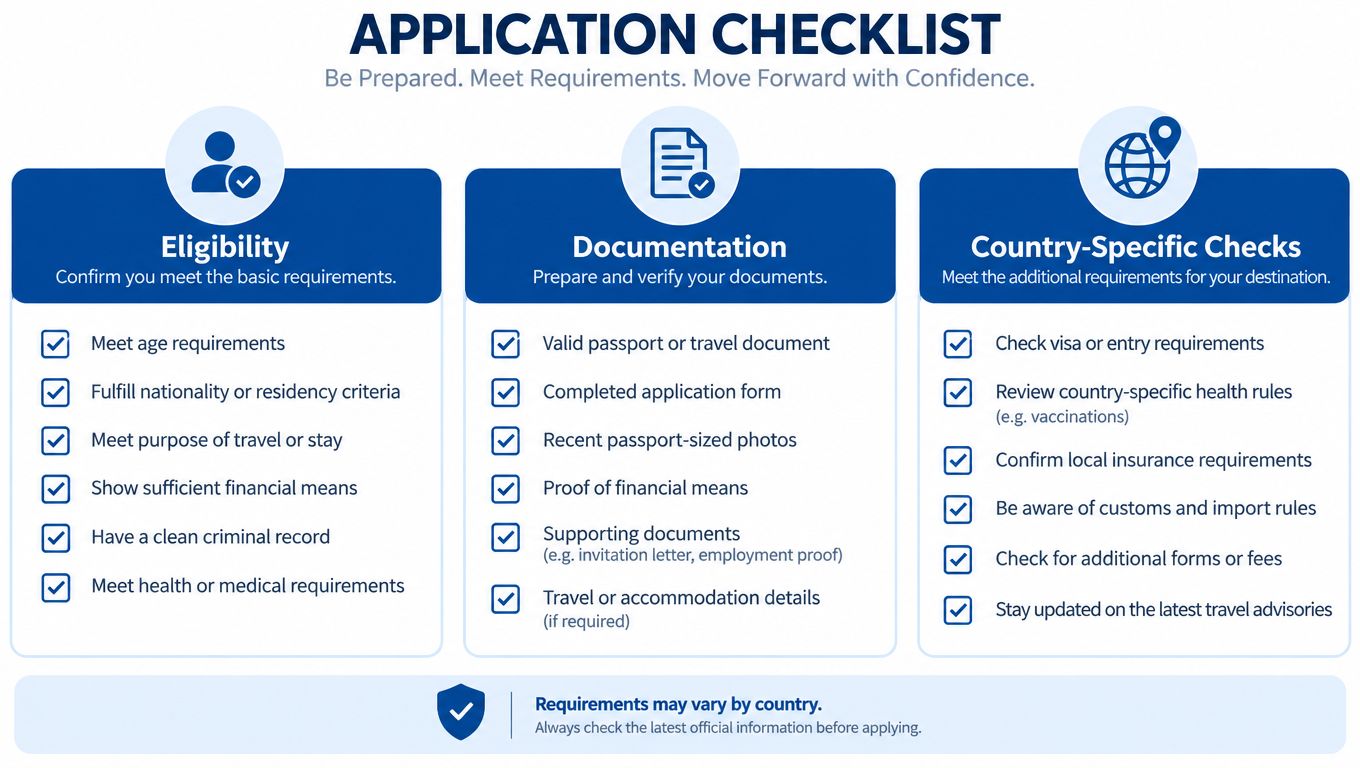
Eligibility, Documentation, and Country-Specific Checks
Amazon's advertising eligibility process is more than a budget conversation. Amazon may need to verify the advertiser entity, confirm the relevant market, review the product catalog, and establish whether the campaign can run within its advertising and brand-safety requirements.
Prepare the business identity documents before you apply. That generally means business registration information, the appropriate tax forms such as W-8 or W-9 documentation, banking details, and brand authorization for protected product lines. These aren't administrative decorations. Entity and tax information supports billing and compliance, brand authorization establishes your right to advertise products, and catalog information lets the activation team connect campaigns to the correct retail assets.
Creative readiness matters too. Assemble display, video, and audio assets in the formats required for your intended placements. Confirm landing destinations, product detail pages, tracking permissions, and access to first-party data or Amazon Marketing Cloud where applicable. If your application says you're prepared for full-funnel measurement but the team can't provide clean inputs, onboarding will expose that gap quickly.
Check the market before copying a plan
Amazon's terms and thresholds can vary by country. A U.S. campaign plan shouldn't be transferred into the EU or MENA without checking local eligibility, billing, inventory, privacy, creative, and service-model conditions. Amazon's published material identifies managed service, partner-managed, and self-managed options, but the practical availability of each route depends on the market and advertiser circumstances.
Brands also need to distinguish what happens before submission from what happens after approval.
Before submission, finalize the advertiser entity, target country, product catalog, budget, audience strategy, measurement plan, creative inventory, and operating owner. If the brand also needs marketplace access, its Amazon ungating process should be treated as a separate readiness track.
After approval, Amazon or the partner can provision account access, user roles, audience tools, pixels, reporting, and campaign permissions. Don't assume those assets are instantly available. Build the launch schedule around verification and access dependencies rather than a hoped-for live date.
Building the Business Case Amazon Will Take Seriously
A strong DSP application doesn't ask Amazon to decide whether your idea is promising. It shows that your team has already tested the commercial logic.
For managed service, Amazon states a $50,000 USD minimum campaign budget in the United States, with possible country variation. Amazon's DSP product information makes this a material qualification gate, but the central question is whether the budget can support a coherent test. A brand shouldn't spread the money so thinly across awareness, consideration, retargeting, creative, audiences, and screens that no cell receives enough delivery to produce a useful signal.

Build the forecast around business economics, not a decorative ROAS target. Model contribution margin, incremental sales, new-to-brand acquisition, assisted organic demand, and the value of reaching shoppers who may search or purchase later. Decide in advance what evidence would justify continuation and what evidence would trigger a pause.
Choose the KPI before the learning begins
Amazon DSP campaigns use campaigns, ad groups, and ads. At campaign creation, the advertiser selects a goal such as awareness, consideration, or conversion, sets a budget, and defines a key performance indicator. Amazon warns that changing the KPI after launch resets the campaign's performance learnings and may affect optimization. Amazon's campaign setup guidance makes the implication clear: KPI selection is part of the learning system, not a cosmetic field.
Set the primary outcome before trafficking:
- Awareness: Evaluate reach, frequency, and qualified exposure.
- Consideration: Examine product engagement, audience quality, and assisted activity.
- Conversion: Track new-to-brand efficiency, incremental sales, and contribution economics.
You can still monitor secondary indicators, but don't keep changing the optimization target because the first report looks uncomfortable. A strategic shift may justify resetting learning. A nervous reaction to early volatility usually doesn't.
Video can help stakeholders understand the planning discipline behind the budget decision:
The application should include a funding rationale, audience thesis, creative plan, measurement design, and stop conditions. If the business case depends on organic ranking or marketplace demand, define how you'll compare those effects with paid-attributed outcomes. DSP earns its place when it creates profitable demand beyond the last-click view.
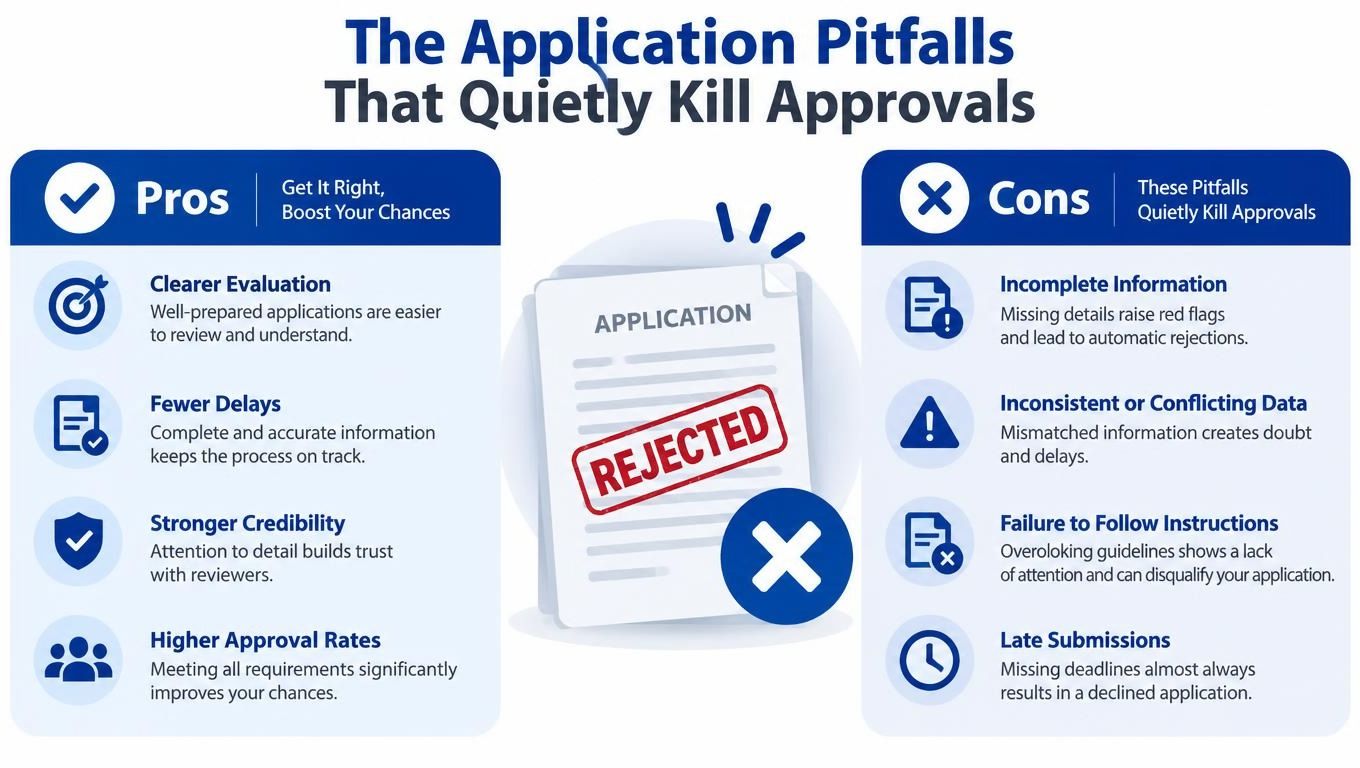
The Application Pitfalls That Quietly Kill Approvals
Many failed applications aren't rejected because the brand lacks ambition. They fail because the team has confused access with readiness.
The first error is applying for managed service without the required budget. The second is treating the advertising DSP as the Delivery Service Partner program. One route buys media. The other launches a delivery business. Confusing them wastes time and can send internal stakeholders into the wrong qualification process.
KPI selection creates a quieter failure. Teams often treat it as a setup detail, launch toward conversion, then switch to awareness or another outcome when delivery doesn't match expectations. That reset can discard useful learning and make performance comparisons harder.
Test the measurement system, not just the application
Cross-screen reporting also needs scrutiny. Amazon's reach-and-frequency update added co-viewing to Streaming TV reporting and introduced more precise deduplicated measurement across PC, mobile, and streaming-TV exposures. That matters because impression totals can overstate unique reach when the same household encounters ads on multiple devices. Amazon's advertiser-value explanation describes the platform's ability to examine cumulative reach, daily reach, and cross-screen exposure.
A documented telecom case shows the benefits of stronger data integration. By combining first-party and Amazon signals through Amazon Marketing Cloud, the brand improved its audience match rate from 60% to 90% and tested Performance+, an Amazon DSP campaign type designed to find likely new customers. The campaign achieved a 40% reduction in cost per action versus business as usual, according to Amazon's case study with iProspect.
Run a one-afternoon readiness test:
- Access check: Identify the service model, operating owner, and market.
- Budget check: Confirm the available funding supports the selected route.
- Data check: Validate first-party inputs, Amazon Marketing Cloud access, and audience match logic.
- Measurement check: Define deduplicated reach, frequency, new-to-brand conversion, and profitability views.
- Creative check: Confirm assets exist for every intended format and placement.
- Partner check: If an agency is involved, verify its Amazon Ads Partner Network relationship and qualified users.
If any answer is unclear, the application isn't ready.
From Approval to First Campaign Live
Approval is the start of operational work, not the finish line. The first sequence usually includes account provisioning, user roles, permissions, pixel access, Amazon Marketing Cloud access where relevant, audience onboarding, creative QA, and campaign trafficking.
Use checkpoints rather than a single launch date.
Before trafficking, confirm the advertiser identity, product catalog, audience definitions, landing destinations, budget, KPI, bid logic, frequency settings, and brand-safety controls. Display and video assets should be reviewed against the placement requirements in Amazon DSP ad specifications.
During the first fourteen days, watch pacing, delivery, unique reach, frequency, new-to-brand conversion, and audience match rate. Don't confuse high impressions or a low click cost with commercial progress. Escalate quickly when delivery is materially under pace, frequency rises without useful engagement, or the audience match rate is too weak to support the original targeting thesis.
The early report should also show how exposure behaves across screens. Amazon's cross-screen measurement capabilities can help distinguish repeated household exposure from expanded reach. That distinction affects both media efficiency and the interpretation of assisted demand.
Tie every launch decision back to the business case. If the campaign's purpose is profitable customer acquisition, evaluate incremental customer quality and contribution margin. If the purpose is full-funnel growth, look at reach, consideration, new-to-brand behavior, and organic marketplace effects together. An arbitrary ROAS target can make upper-funnel media look unsuccessful even when it contributes to future retail demand.
A campaign is not healthy because it spent its budget. It's healthy when the spend produces evidence that supports the next investment decision.
Decide If Amazon DSP Is Worth the Application Right Now
Amazon DSP is worth applying for when three conditions align: the budget can support the chosen service model, the brand has enough retail and creative readiness to convert attention, and the team can measure more than attributed sales.
An under-budget brand should delay the application and build toward it. Use Sponsored Brands or Sponsored Display to develop audience and creative evidence, strengthen listings, improve retail readiness, and create a clearer profitability model. Don't apply for managed service just because the platform looks like the next logical channel. If the economics can't support sustained testing, the brand needs preparation, not access.
A mid-market brand that can support the managed-service threshold and has stable catalog, margin, and measurement inputs should activate rather than wait for perfect conditions. Choose the KPI before launch, define continuation rules, and make sure the operating team can act on cross-screen and new-to-brand reporting.
An in-house team that qualifies for self-managed should still audit its measurement and creative systems first. Self-management is appropriate only when the team can own audience construction, pacing, bid decisions, frequency, creative testing, and post-campaign analysis without treating DSP as an occasional side task.
Headline's position is straightforward. PPC, DSP, and first-party data should work together to improve profitability, organic ranking, and sustainable scale, not merely produce an attractive attributed ROAS screenshot. Use the framework above to test budget, service model, data quality, and operating ownership before submitting the application.
Headline Marketing Agency can help brands plan and manage Amazon DSP campaigns, including audience strategy, first-party data activation, creative testing, and performance analysis. Visit Headline Marketing Agency to assess whether your current PPC and marketplace economics support a profitable DSP launch.
Get Your Free Amazon PPC Audit
Discover untapped growth opportunities and see how our data-driven approach can improve your ROAS.
Get Free Audit →Wollen Sie Ihre Amazon PPC-Performance aufs nächste Level bringen?
Lassen Sie Ihre Amazon PPC-Kampagnen professionell analysieren und entdecken Sie neue Wachstumsmöglichkeiten.