7 Amazon Video Ads Examples That Drive Profitability and Organic Growth
Video ads on Amazon are gaining traction fast. Our data reveals when Amazon video ad creative outperforms static — and when it doesn't.

For too long, brands have viewed Amazon video ads through the narrow lens of campaign-level ACoS. This is a critical mistake. In today's competitive marketplace, the most successful brands understand that video advertising is a powerful lever for holistic growth, not just a direct-response tool. A strategic video ad does more than sell a product; it improves organic ranking, builds brand equity, and drives sustainable profitability across your entire Amazon flywheel.
This article moves beyond generic tips to dissect real-world Amazon video ads examples, revealing the performance-first thinking and data-backed strategies behind their success. We are not just showing you ads; we are breaking down the tactical execution that makes them effective. You will learn how to connect creative choices directly to business objectives like increasing market share, improving organic sales velocity, and maximizing Total Advertising Cost of Sale (TACOS).
For each example, we provide clear analysis, strategic insights, and actionable takeaways that senior eCommerce leaders can implement immediately. We'll examine campaigns from top-tier agencies and platforms like Trellis, Shuttlerock, and Amazon's own DSP, complete with screenshots and direct links. Get ready to rethink what you expect from your video ad spend and learn how to use it as a catalyst for scalable, profitable growth.
1. Neutrogena Hydro Boost: Mastering the Problem-Solution Framework
Neutrogena's Hydro Boost Water Gel video ad is a masterclass in executing the classic problem-solution advertising framework, perfectly adapted for the fast-paced Amazon environment. It’s a prime example of how to capture attention and drive conversions by focusing on a relatable customer pain point, directly impacting sales velocity and, consequently, organic rank for high-value keywords.
Ad Objective and Strategy
The primary goal of this Sponsored Brands video ad was consideration and conversion. Neutrogena aimed to intercept shoppers actively searching for moisturizing solutions and quickly persuade them that Hydro Boost is the superior choice. A secondary, but equally important, objective is to increase the conversion rate on the product detail page, which signals to Amazon's A9 algorithm that the product is a relevant and popular choice.
The strategy hinges on a simple, powerful narrative: dry, thirsty skin (the problem) finds immediate, lasting relief with Hydro Boost (the solution). By placing this ad against high-intent keywords like "face moisturizer" or "dry skin cream," Neutrogena ensures it reaches a qualified audience, driving clicks that are more likely to convert and fuel the organic growth flywheel.
Creative Breakdown and Tactical Execution
This ad excels through its deliberate simplicity and visual clarity.
- The Hook (0-2 seconds): The video opens with a compelling visual of a dry, cracked surface, instantly communicating the "problem" of dehydration without needing a single word. This visual metaphor is universally understood and highly effective at stopping the scroll.
- Introducing the Solution (3-5 seconds): The iconic Hydro Boost jar enters the frame, followed by a satisfying animation of the gel quenching the dry surface. This visual payoff is crucial; it demonstrates the product's benefit before the viewer has a chance to scroll away.
- Reinforcing the Benefit (6-10 seconds): On-screen text highlights the key value proposition: "Hyaluronic Acid" and "Continuous Hydration." This reinforces the "why" behind the product's effectiveness, adding a layer of scientific credibility that builds trust. The ad closes with a clear shot of the product and the brand logo, cementing brand recall.
Key Strategic Insight: Neutrogena proves that for high-intent placements, a complex story isn't necessary. A visually satisfying demonstration of a product solving a common problem can be more powerful and efficient. This direct approach increases click-through rates and conversion, sending strong positive signals to the Amazon algorithm that boost organic visibility over time.
Key Takeaways for Your Brand
- Embrace Visual Metaphors: Don't just tell customers your product works; show them. Use strong, simple visuals to represent the customer's pain point and the relief your product provides.
- Lead with the Solution, Fast: Present your product as the hero within the first 3-5 seconds. Amazon shoppers are on a mission; give them the answer they are looking for immediately to maximize engagement.
- Connect Creative to Organic Rank: Recognize that a clear, conversion-focused video is not just an ad—it's a tool for improving your organic sales velocity. This is how paid media becomes an investment in long-term, profitable growth.
2. Trellis: A Curated Gallery of High-Converting Ad Concepts
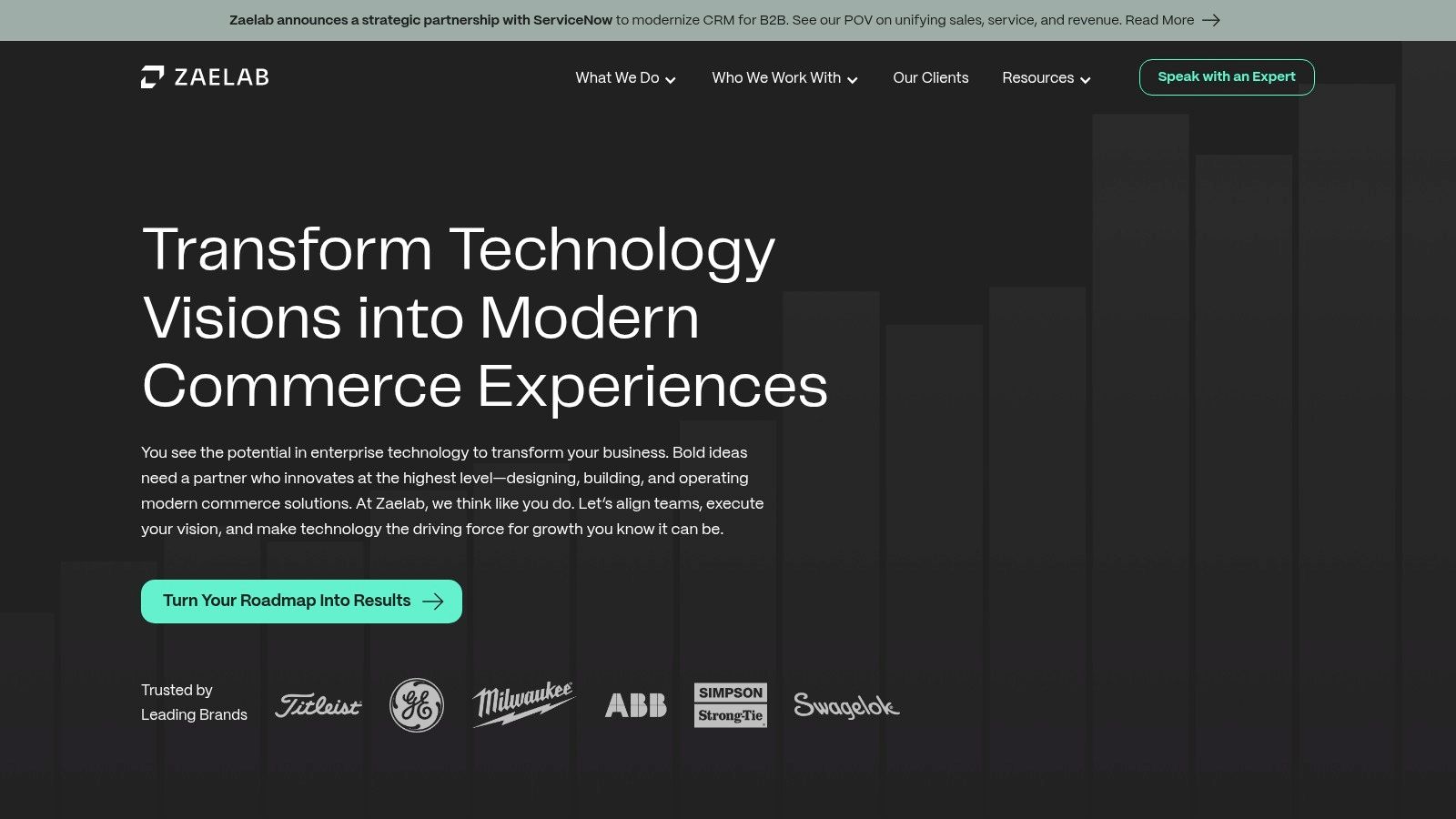
Trellis’s blog post, "9 Examples of Highly Successful Amazon Video Ads," serves as a crucial resource for marketers seeking creative inspiration backed by clear analysis. It’s not just a showcase; it’s a strategic breakdown of what makes a video ad resonate with Amazon’s high-intent shoppers, making it an essential bookmark for any brand team looking to drive performance.
Resource Objective and Strategy
The primary goal of this free resource from the full-service eCommerce agency Trellis is education and inspiration. They aim to demonstrate creative best practices to brands looking to improve their Amazon advertising performance. The content is designed to attract mid-market and enterprise brands by showcasing a deep understanding of the platform's creative nuances.
The strategy is to provide a diverse collection of Amazon video ads examples across different categories, from electronics to CPG. This allows brands to see how fundamental principles of video advertising, like storytelling and clear value propositions, are applied successfully in various contexts to drive measurable results.
Content Breakdown and Tactical Execution
This resource excels by providing clear, actionable analysis for each video example. It moves beyond simple descriptions to dissect the underlying tactics.
- Diverse Ad Selection: The post features ads from brands like Quest Nutrition, ASUS, and Little Tikes. This variety ensures that marketers from almost any category can find a relevant example that sparks ideas for their own campaigns.
- Focused Analysis: For each video, Trellis provides a concise breakdown. They highlight the ad's core objective (e.g., brand awareness vs. direct conversion) and pinpoint specific elements, such as the hook, the use of on-screen text, or the call-to-action, that contribute to its success.
- Emphasis on Storytelling: A common thread throughout the analysis is the power of a simple narrative. Whether it's a "day-in-the-life" scenario or a problem-solution framework, the post consistently reinforces that a compelling story, even a short one, drives engagement and conversion.
Key Strategic Insight: Trellis effectively argues that there is no single "correct" way to make an Amazon video ad. Success comes from aligning the creative execution with the specific product and campaign goal. The underlying principle is performance: the right creative drives the right action, whether that's a click, a sale, or building brand recall for a future purchase.
Key Takeaways for Your Brand
- Study Diverse Categories: Look for inspiration outside your immediate niche. The tactics used to sell a tech gadget can often be adapted to market a food product, giving you a creative edge against less imaginative competitors.
- Align Creative with Your Goal: Is your ad for top-of-funnel awareness or bottom-funnel conversion? The examples on Trellis show how your creative choices—from pacing to messaging—should change based on your business objective.
- Use It as a Creative Briefing Tool: Share this resource with your creative team or agency as a starting point. Point to specific examples to clearly communicate the style and performance-oriented structure you want for your next campaign.
3. Wyzowl: The Educational Blueprint for Ad Creative
Wyzowl's guide, "Amazon Video Ads: 10 Examples + Best Practices," serves as an educational deep-dive rather than a single ad example. It’s an essential resource for marketers who want to understand the "why" behind effective video creative, providing the foundational knowledge needed before investing in a campaign.
Resource Objective and Strategy
The primary objective of this resource is education and strategic planning. Wyzowl aims to equip marketers with the foundational knowledge needed to create high-performing Amazon video ads from scratch. This is less about immediate conversion and more about empowering brands to build better creative assets that deliver a consistent return on ad spend (ROAS).
The strategy is to deconstruct successful ads into their core components. By analyzing ten diverse examples, Wyzowl provides a curriculum on what works, from hook to call-to-action, allowing brands to develop a repeatable, performance-driven creative process.
Content Breakdown and Tactical Execution
Wyzowl excels by providing a structured learning path that combines theory with practical examples. This makes it one of the most comprehensive free resources available.
- Diverse Examples: The guide features ten different ads, showcasing various styles like animation, live-action, and stop-motion. This exposes marketers to a wide range of creative possibilities beyond typical product demos.
- Best Practice Integration: Each example is paired with commentary on best practices. It explains why a specific hook is effective or how the on-screen text aligns with Amazon's guidelines, connecting creative choices to platform requirements and performance outcomes.
- Design-Focused Tips: The content delves into crucial design elements like aspect ratios, using brand colors effectively, and ensuring mobile-first legibility. These granular details are often what separate a profitable ad from a wasted ad spend.
Key Strategic Insight: Wyzowl demonstrates that great advertising isn't just about a brilliant idea; it's about disciplined, performance-focused execution. By mastering the fundamentals of design, pacing, and messaging specific to the Amazon platform, brands can dramatically improve the baseline performance of every video ad they produce, ensuring a better return on their creative investment.
Key Takeaways for Your Brand
- Build a Creative Playbook: Use Wyzowl's guide to create your own internal "best practices" document. Define your brand's approach to hooks, pacing, text overlays, and end cards to ensure consistency and repeatable success.
- Learn from a Variety of Industries: Don't just study ads from your direct competitors. Analyze how a CPG brand uses animation or how a tech gadget tells a story to find fresh inspiration for your own category.
- Prioritize Platform-Specific Design: Internalize Amazon's technical and creative requirements from the start. This guide is an excellent resource for ensuring your amazon video ads examples are compliant and optimized for performance from day one.
4. Social Motion: Highlighting Big Brand Video Ad Strategies
Social Motion’s blog offers a valuable perspective by analyzing Amazon video ads from major, household-name brands. It serves as an excellent resource for marketers who want to understand the playbooks used by industry leaders and adapt those high-level, data-proven strategies for their own campaigns.
Ad Objective and Strategy
The primary goal of the content at Socialmotion.agency is education through deconstruction. It aims to break down successful Sponsored Brands video ads to show other brands what’s working at the highest level of Amazon advertising, where massive budgets demand measurable performance.
The strategy is to showcase a curated set of amazon video ads examples and analyze their effectiveness from a performance standpoint. By focusing on recognizable brands, Social Motion makes the concepts relatable and demonstrates tactics that have delivered results at scale, providing a blueprint for driving both direct sales and brand equity.
Creative Breakdown and Tactical Execution
Social Motion’s value comes from its insightful analysis of brand campaigns, focusing on strategic execution.
- Focus on Major Brands: The blog analyzes ads from companies like Cheez-It and Apple, providing a look into large-budget strategies. This is useful for understanding concepts that have been tested and proven to perform before applying them to your own products.
- Emphasis on Sponsored Brands Video: The content centers on this specific ad format, offering focused insights into its best practices. It highlights how video can dramatically increase click-through rates and brand visibility in crowded search results, directly impacting sales.
- Strategic Takeaways: Each example is followed by clear, actionable takeaways. For instance, an analysis might show how a simple, product-focused video outperforms a complex lifestyle narrative in driving conversions, providing a data-backed reason for a specific creative choice. For more advanced tactics, you can learn more about Amazon advertising tips.
Key Strategic Insight: Studying the video ad strategies of top-tier brands provides a powerful shortcut. They have the budgets to test extensively, and their winning ads reveal what truly resonates with the Amazon shopper. The core lesson is that successful ads prioritize clarity and benefit over flash, a principle that drives profitability regardless of budget size.
Key Takeaways for Your Brand
- Deconstruct Winning Formulas: Use resources like Social Motion to analyze what makes an ad successful. Look at the hook, product presentation, and on-screen text used by major brands to understand what drives clicks and conversions in your category.
- Adapt, Don't Just Copy: Take the core principles from big brand ads—like a strong visual hook or a clear value proposition—and apply them to your unique brand voice and product to create authentic, high-performing creative.
- Focus on Proven, High-Impact Formats: The examples reinforce that Sponsored Brands Video is a critical tool for capturing attention at the top of search. Prioritize creating a high-quality video asset specifically designed for this placement to maximize your impact on both sales and brand presence.
5. Shuttlerock: The Creative Production Guide for Sponsored Brands
While our list focuses on specific ad examples, Shuttlerock's guide deserves a spot for being an invaluable educational resource. It's less a single ad and more a comprehensive playbook on how to create high-performing Amazon Sponsored Brands video ads, complete with its own set of analyzed examples and strategic blueprints.
This resource from the creative production platform Shuttlerock is essential for marketers who want to move beyond inspiration and into tactical, performance-driven execution. It provides a foundational understanding of the "why" behind effective video creative on Amazon.
Resource Objective and Strategy
The primary goal of Shuttlerock's guide is education and empowerment. It aims to equip brand managers and marketers with the knowledge to either create better video ads themselves or write more effective briefs for creative partners. The content is available for free, serving as a top-of-funnel lead magnet that establishes Shuttlerock's authority in the creative-as-a-service space.
The strategy is to demystify the process of creating Amazon video ads. By breaking down Amazon's specific requirements, showcasing best practices, and analyzing real-world examples, Shuttlerock positions itself as an expert guide for navigating the platform's unique advertising ecosystem with a focus on efficiency and performance.
Creative Breakdown and Tactical Execution
Shuttlerock’s guide excels by organizing complex information into digestible, actionable sections. It covers the entire creative lifecycle, from initial concept to final optimization.
- The Foundation (The "Why"): The guide starts by explaining the strategic importance of Sponsored Brands Video, outlining the placement types and Amazon's technical specifications (e.g., aspect ratio, length, file size). This grounds the reader in the platform's rules before diving into creative strategy.
- The Blueprint (The "How"): It then provides a detailed blueprint for ad creation, emphasizing a structure similar to the examples in our list: a strong hook, clear product introduction, benefit-driven messaging, and a decisive call-to-action.
- The Proof (The "What"): The guide includes several amazon video ads examples with brief analyses, demonstrating how different brands apply these principles. This reinforces the core concepts with tangible proof.
Key Strategic Insight: Shuttlerock understands that for many brands, the biggest barrier to video advertising isn't budget; it's the lack of a clear, repeatable creative process. Their case studies show that brands following these best practices can see significant performance lifts, such as a 56% decrease in Cost-Per-Click (CPC) and a 139% increase in Click-Through Rate (CTR), turning creative from a cost center into a profit driver.
Key Takeaways for Your Brand
- Educate Yourself on Platform Rules: Before spending a dollar on production, understand Amazon's creative guardrails. Use resources like Shuttlerock's guide to learn the technical specs and content policies to avoid ad rejections and maximize performance.
- Build a Creative Template: Don't reinvent the wheel for every ad. Develop a core performance-driven structure (Hook > Product > Benefit > CTA) that you can adapt for different products and campaigns.
- Analyze Competitor Ads with a Framework: Use the principles in the guide to deconstruct what your competitors are doing. Identify their hooks, value propositions, and calls-to-action to find opportunities for your brand to stand out and outperform them.
6. GoMarble AI: AI-Powered Insights for Ad Creative
While not a single ad, GoMarble AI’s blog serves as a critical resource, offering strategic analysis of advertising trends and creative best practices. It’s an essential stop for brands looking to understand the "why" behind high-performing campaigns, moving beyond simple imitation to data-informed creation.
Resource Objective and Strategy
GoMarble AI's objective is education and strategic enablement. The platform aims to empower Amazon sellers and marketing managers with the knowledge to create and deploy more effective video ads by dissecting what works from a data-centric perspective. Its content is designed to improve a brand's own advertising efforts, regardless of the industry.
The strategy is to provide actionable intelligence rather than just a gallery of examples. By focusing on AI-driven insights and design principles, GoMarble AI helps brands understand the core components of successful ads—such as pacing, text overlays, and visual storytelling—so they can apply these lessons to their unique products and audiences for maximum impact.
Creative Breakdown and Tactical Execution
GoMarble AI's content deconstructs ads by focusing on replicable tactics and psychological triggers.
- Deconstructing the Hook: The blog often analyzes the first three seconds of various ads, explaining why a specific visual or question is effective at stopping the scroll. It highlights how top brands use immediate problem identification or surprising visuals to secure viewer attention.
- Analyzing Visual Flow: The resource breaks down how successful ads guide the viewer's eye, using motion, on-screen text, and product placement to tell a coherent story in under 15 seconds. It emphasizes clarity and a logical progression from problem to solution.
- Optimizing the Call to Action: GoMarble provides guidance on crafting compelling on-screen text and closing cards that reinforce the brand's value proposition and encourage clicks. It stresses the importance of mobile-first design for legibility and impact.
Key Strategic Insight: Effective advertising isn't just about a great product; it's about great communication. GoMarble AI’s analysis shows that the most successful Amazon video ads examples follow predictable patterns of human psychology and visual design. These patterns can be learned and systematically applied to improve conversion rates and lower ACoS, turning creative into a predictable performance lever.
Key Takeaways for Your Brand
- Study the Principles, Not Just the Ads: Use GoMarble AI to learn the foundational elements of effective ad design. Understanding these principles allows you to create compelling ads for any product, rather than just copying one specific style.
- Apply a Data-Informed Approach: Leverage the insights from their analysis to inform your A/B testing. Test different hooks, text overlays, and visual styles based on the principles they outline to find what resonates most with your target audience.
- Focus on Mobile-First Design: A recurring theme is the need for bold, clear, and simple visuals that work on a small screen. Ensure your text is large, your product is the hero, and your message is understandable with the sound off to maximize performance.
7. Amazon Ads: Going Straight to the Source for Best Practices
While individual campaigns offer valuable lessons, the ultimate resource for understanding the platform's capabilities is Amazon's own official advertising hub. The Amazon Ads website is an essential tool for any brand, providing the foundational knowledge and technical specifications needed to build high-performing, compliant campaigns that drive profitable growth.